
Custom Battery Solutions for Emergency Lighting
High-Temperature Reliability & Global Compliance.
Emergency lighting battery compliance is not determined by chemical system.
To access global markets, your battery must meet:
- Emergence lighting product standard (UL 924 / EN 60598-2-22)
- Battery safety standard (IEC 62133 / IEC 61951/ UL 2054)
- Transportation compliance (UN38.3 / MSDS)
Failure at any level will lead to delays in certification, shipment, or project approval.
Are you facing these challenges?
- Battery swelling or failure in high-temperature environments.
- Confusion over EU 2023/1542 cadmium regulation.
- Customs delays due to missing UN38.3 reports or incomplete documentation.
- Inconsistent backup duration that undermines product reliability.
These issues are prevalent in emergency lighting systems — yet they are entirely preventable through sound battery design and systematic compliance planning.
Choosing Battery Chemistry
Battery selection for emergency lighting not just about performance.
It must meet regulatory requirements, adapt to operating temperature conditions, and align with product design constraints.
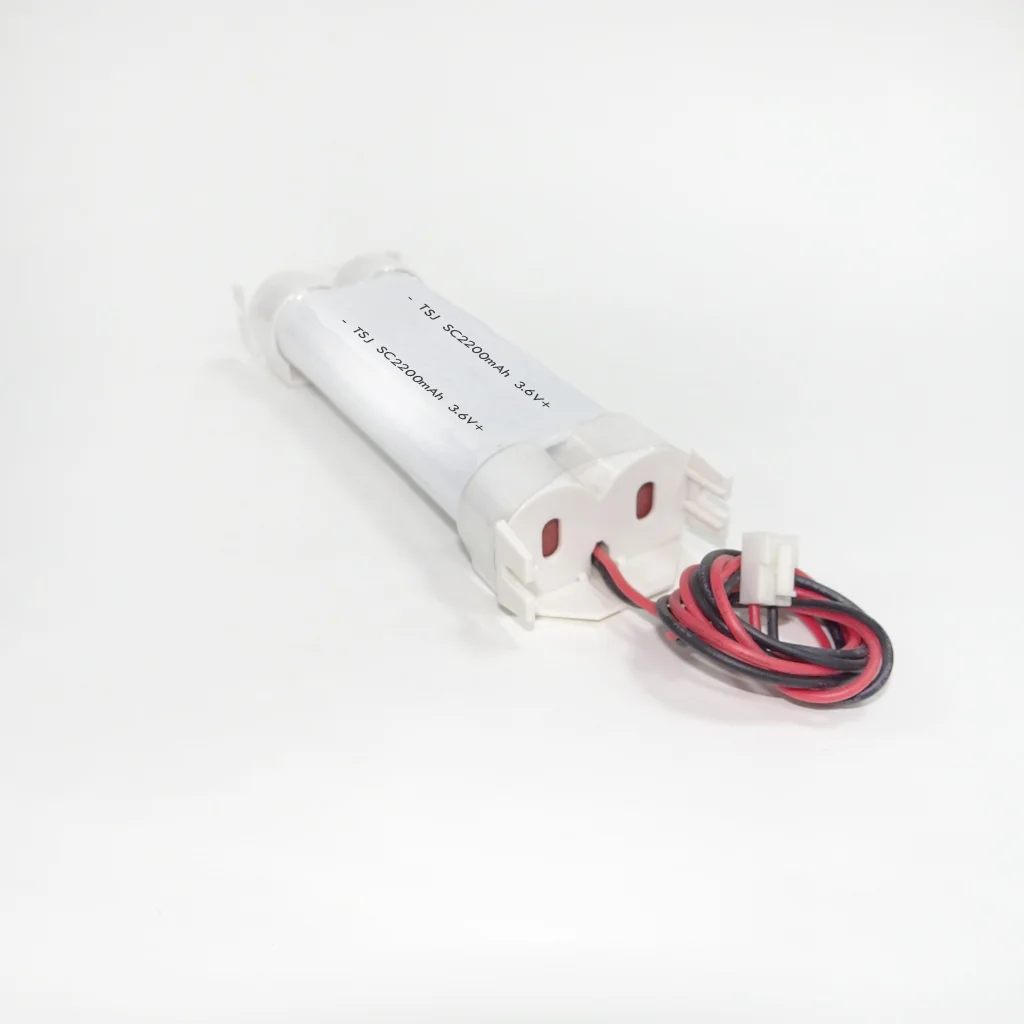
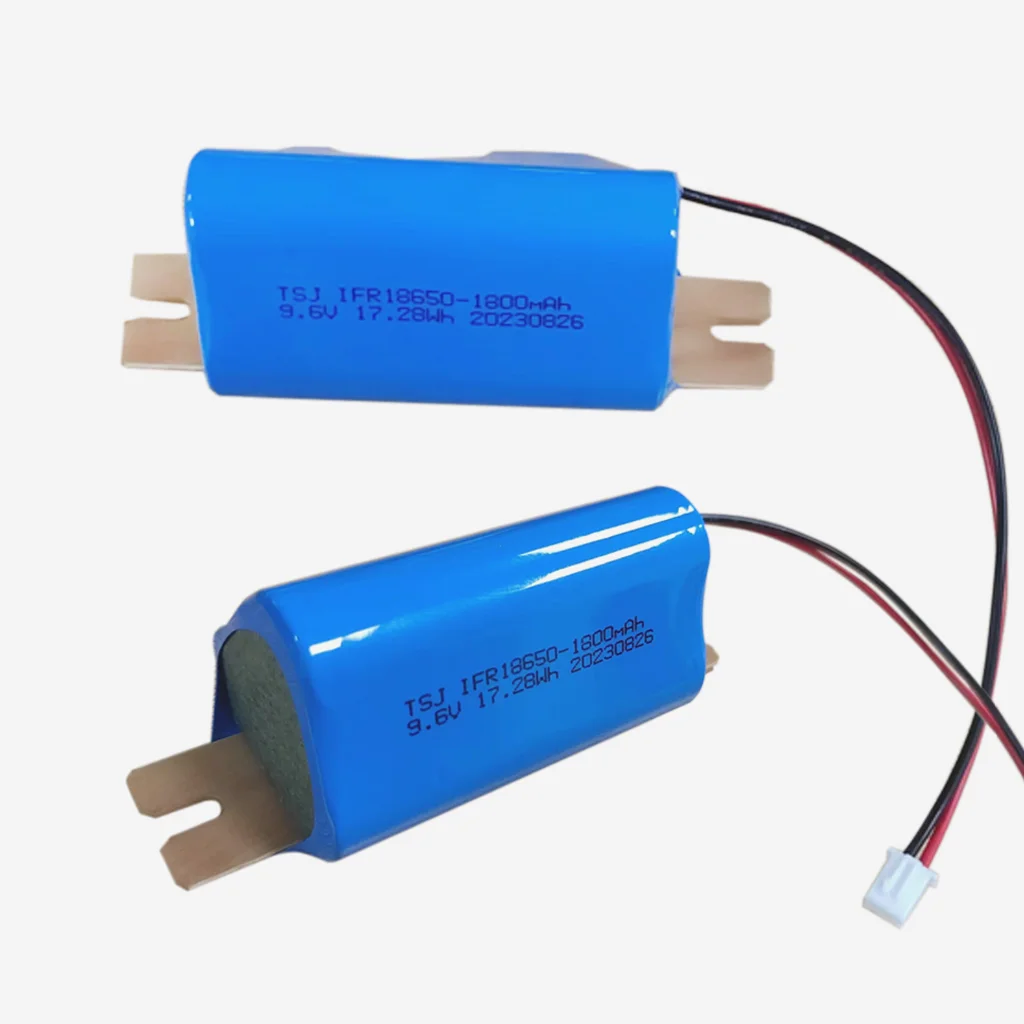
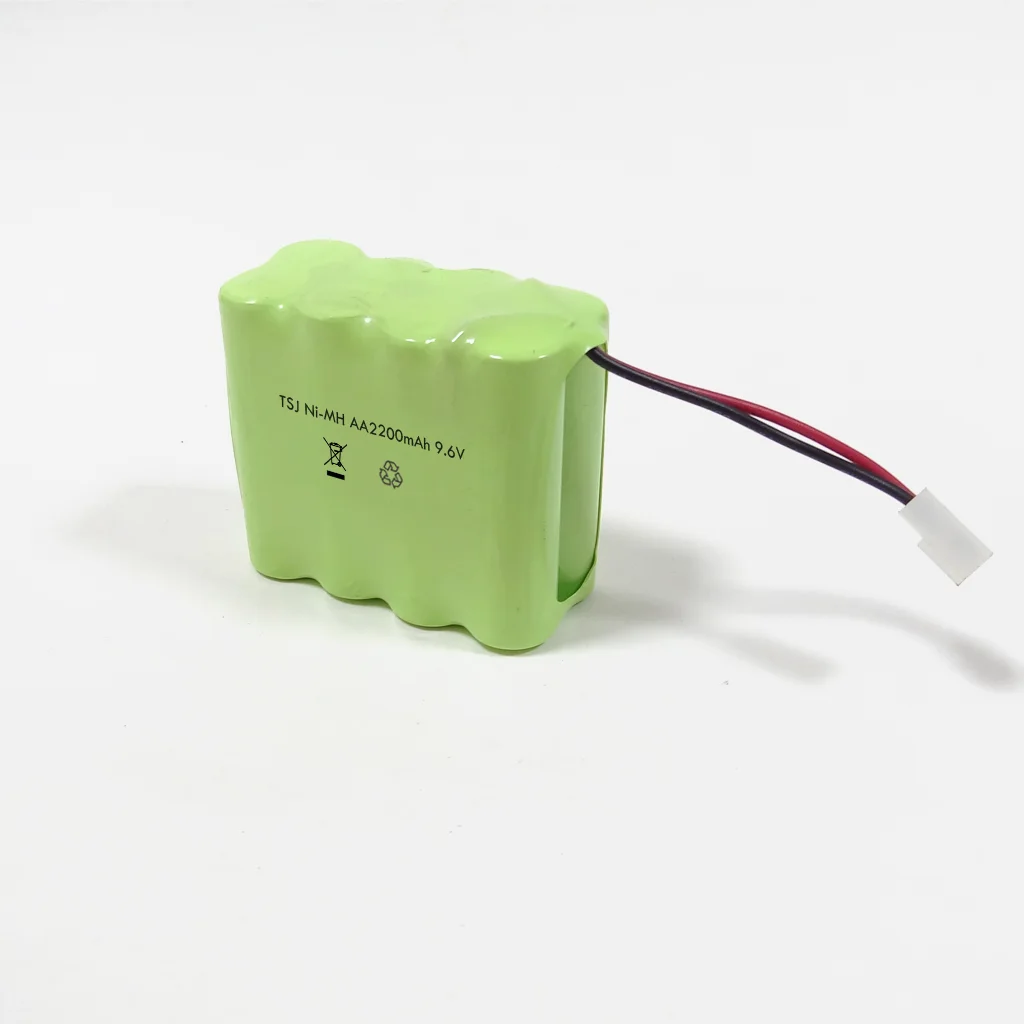
| Chemistry | Thermal Performance& Lifespan | Compliance Notes | Optimal Applications |
|---|---|---|---|
| NiCd (Nickel Cadmium) | Excellent up to ~70°C >4 years |
Classified as industrial batteries; permitted for emergency system use under specific application scenarios. | Traditional exit signs, high-temperature safety lighting. |
| LiFePO4 (Lithium Iron) | High thermal stability 8–10 years |
Requires rigorous BMS design and full UN38.3 transportation compliance. | Modern LED emergency systems, intelligent lighting. |
| NiMH (Nickel Metal Hydride) | Moderate 2–5 years |
Environmentally friendly; compliant with a broad range of environmental standards. | Cost-sensitive, low-heat generation scenarios. |
Our Engineering Recommendations:
- For high-temperature environments or legacy systems: Nickel-Cadmium (NiCd) remains the most reliable choice.
- For next-generation LED emergency lighting: Lithium Iron Phosphate (LiFePO4) delivers lower maintenance costs and a longer service lifecycle.
Total Cost of Ownership (TCO)
Upgrading to Lithium Iron Phosphate(LiFePO4) will raise upfront costs, but will deliver substantial reductions in maintenance expenditure over a 5-year period.
Dual-Track Compliance Framework
Battery packs on their own do not guarantee full compliance.
Your end product must pass system-level standards for each target market:
-
01North America (UL 924 / NFPA 101) Ensures 90-minute emergency operation and approval by authorities (AHJ).
-
02Europe & UK (EN / IEC Standards) Supports discharge duration requirements and system safety compliance.
-
03Global Transportation (UN38.3 / MSDS) Prevents customs delays and ensures safe transportation.
Battery packs certified under IEC 62133 or UL 2054 may still fail final product certification.
Compliance must be assessed at the system level — not exclusively at the cell level. Our engineers specialize in designing battery packs engineered to pass the stringent system-level testing requirements of UL 924 and EN 60598-2-22.
How TSJ Sanjun Improves Reliability
We focus on the root causes of battery failure to ensure consistent performance throughout an extended service life:
- Special raw materials selected for cell production
- Strict moisture control during cell manufacturing
- Precision battery pack assembly
- Multi-stage quality testing prior to shipment
- Application-specific battery designs optimized for different thermal environments
Typical Applications
When You Should Reach Out To Us
You should consider contacting us if:
- Your current batteries fail under high-temperature operating conditions.
- You are upgrading from NiCd systems to LiFePO4 systems.
- Your products require UL, CE or RoHS certification.
- Your shipments are delayed due to battery compliance issues.
- You are uncertain how EU battery regulations will impact your product design.
Request Engineering Feedback
We evaluate your battery design against UL / EU / transport requirements. You will receive initial feedback within 24 hours.
To speed up evaluation, please prepare:
All custom projects are processed under a Non-Disclosure Agreement (NDA).